Medical operation tables
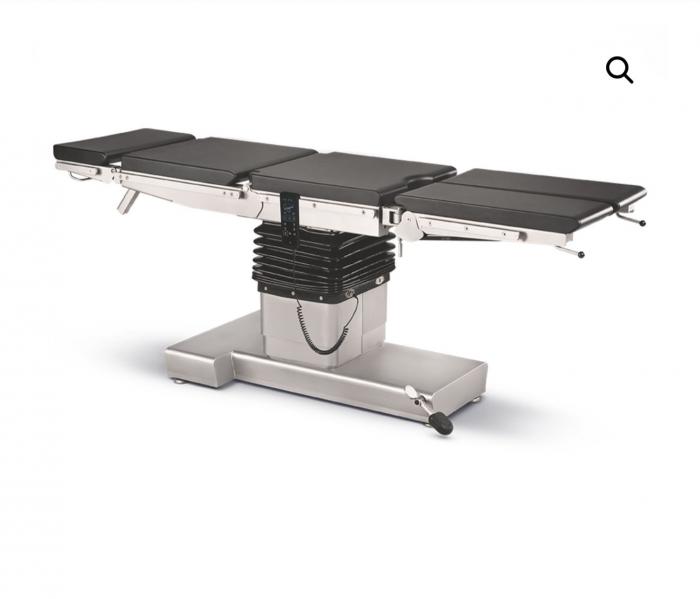
Medical operation tables are specialized equipment used in surgical settings to support patients during procedures, ensuring comfort and accessibility for surgeons.
Types of Medical Operation Tables
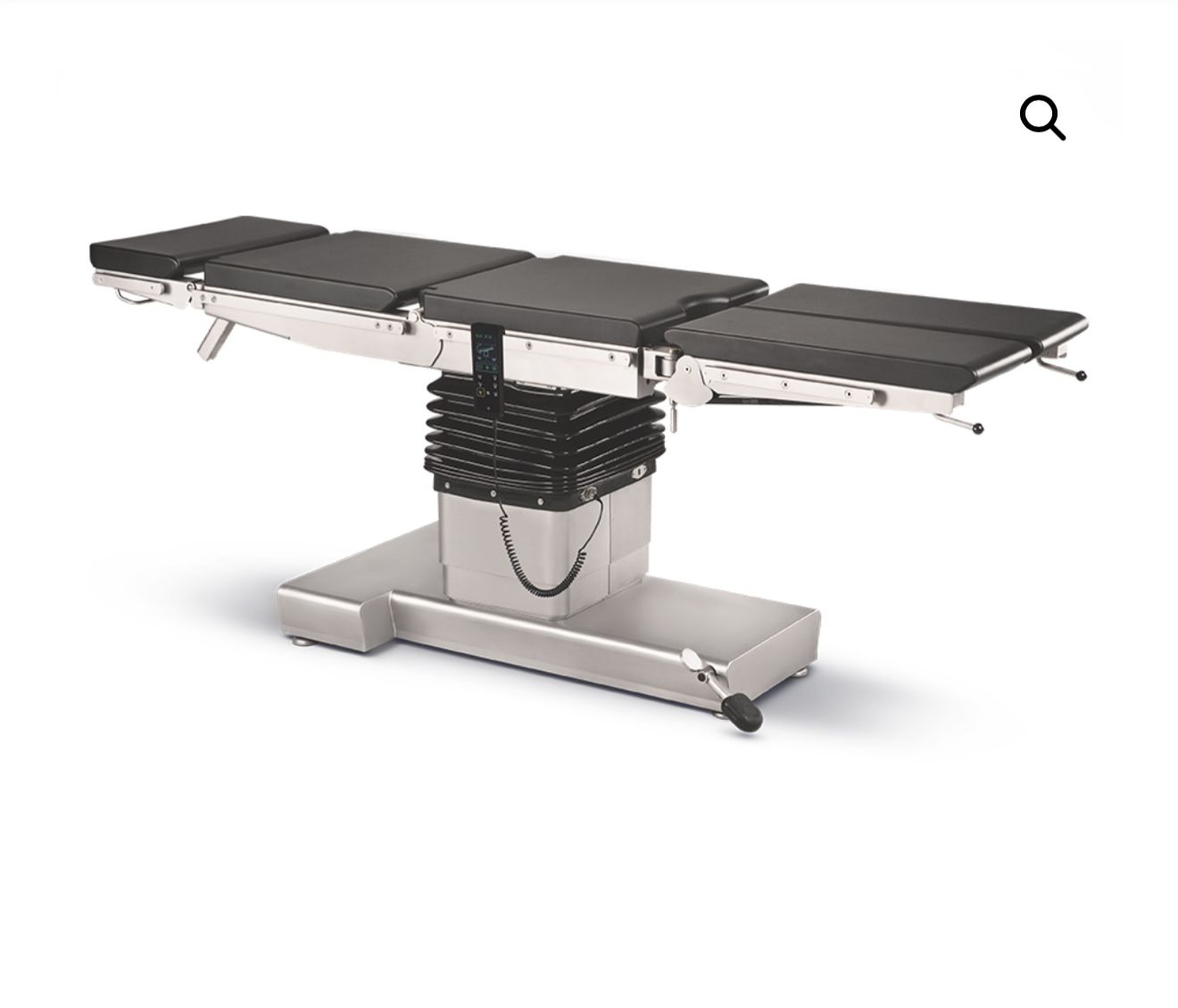
General Surgical Tables: These versatile tables are designed for a wide range of surgical procedures, allowing for various adjustments in height, tilt, and positioning to accommodate different surgical needs.
Orthopedic Tables: Specifically designed for orthopedic surgeries, these tables facilitate procedures like hip and pelvic fractures, providing specialized positioning for optimal access.
Fluoroscopic Tables: These tables are equipped for image-guided surgeries, allowing for real-time imaging during procedures, which is crucial for minimally invasive surgeries.
Bariatric Tables: Designed to safely support heavier patients, these tables ensure stability and comfort during surgical procedures.
Electric and Hydraulic Tables: Operating tables can be powered either electrically or hydraulically, allowing for precise adjustments. Electric tables are often easier to control with remote settings, while hydraulic tables are typically more manual.
Key Features
Adjustability: Most operation tables come with adjustable components such as headrests, backrests, and leg supports, allowing for precise positioning of the patient.
Weight Capacity: Tables are designed to support various weight limits, ensuring safety and stability during surgeries.
Radiolucency: Many modern tables feature radiolucent tops, allowing for X-ray imaging without needing to reposition the patient.
Mobility: Some tables are mobile, allowing for easy repositioning within the operating room, while stationary tables provide stability for complex procedures.
Choosing the Right Operation Table
When selecting an operation table, consider the following factors:
Type of Surgery: Different surgical specialties may require specific table features and adjustments.
Patient Comfort: Ensure the table can accommodate the patient's size and provide comfort during the procedure.
Ease of Use: Look for tables that offer intuitive controls for adjustments, enhancing workflow efficiency in the operating room.
In summary, medical operation tables are essential for successful surgical outcomes, providing the necessary support and flexibility for various procedures. Understanding the types and features of these tables can help medical professionals choose the right equipment for their specific needs.
 Send Email
 WhatsApp